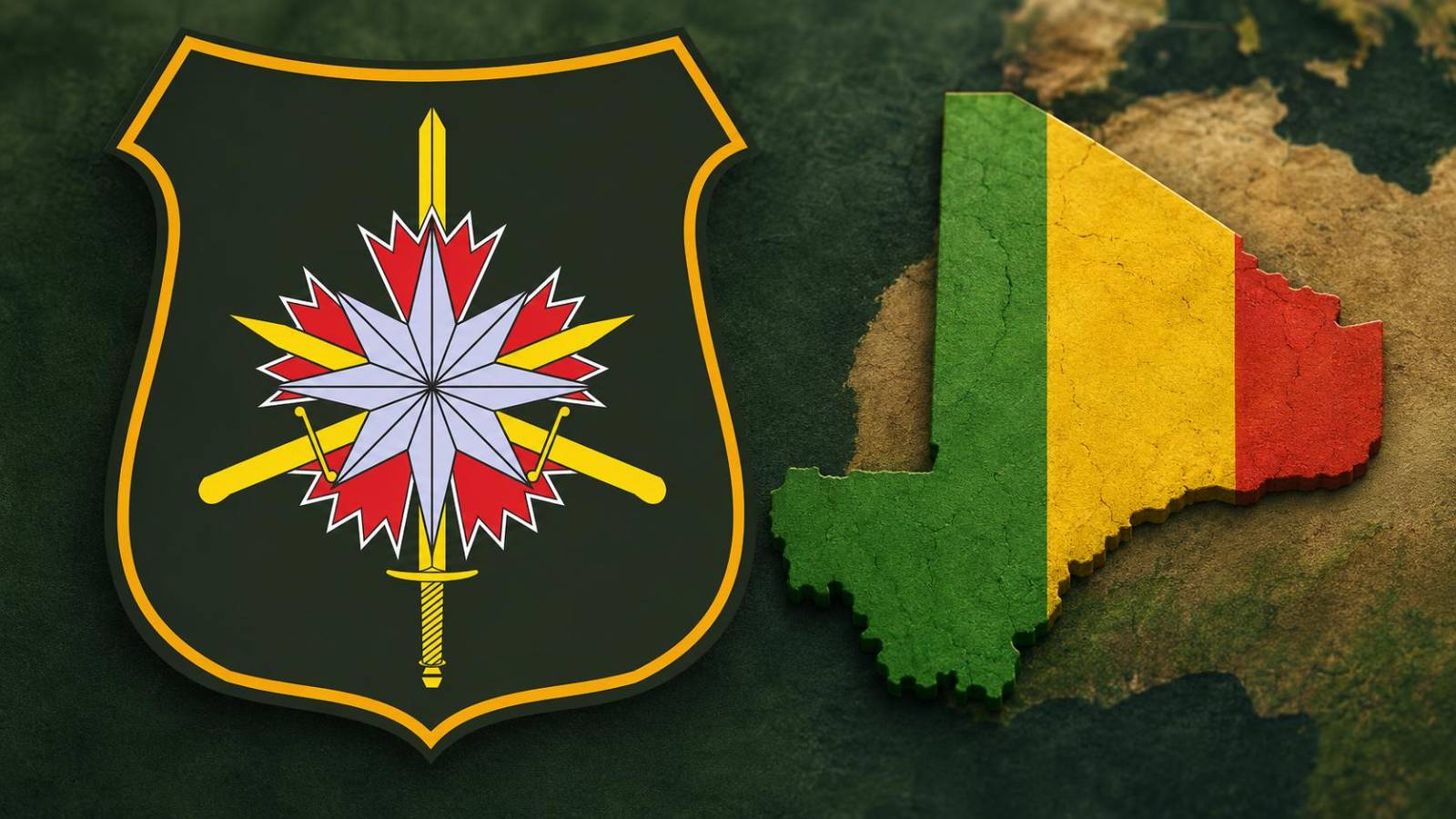
The reputation of Russian paramilitary forces as an unstoppable power in the Sahel is facing its toughest test yet near the town of Anéfis. Recent clashes in this strategically vital location in northern Mali have sent shockwaves through West African diplomatic circles, raising serious questions about the effectiveness of the so-called Africa Corps—the Kremlin-backed force that emerged after the Wagner Group’s networks.
The strategic importance of Anéfis
Anéfis is not just another dot on the map. It sits on the critical road linking Kidal, a stronghold of the Tuareg rebellion, making it a key logistical hub. When combined forces of the Malian Armed Forces (FAMa) and their Russian advisors launched an operation there, they underestimated the resilience of local armed groups. What was meant to be a decisive strike turned into a tactical disaster.
Trapped between a coalition of rebel factions—including the mobile guerrilla units of the Permanent Strategic Framework (CSP-DPA) and the relentless asymmetric tactics of jihadist groups—the Africa Corps detachment suffered heavy losses. Burned-out armored vehicles, abandoned heavy equipment, and reports of captured or killed soldiers paint a stark contrast to the ironclad propaganda emerging from both Bamako and Moscow.
Russia’s asymmetric warfare dilemma
For the Kremlin, the events at Anéfis strike at the heart of its Sahel narrative. By aligning with the Alliance of Sahel States (AES), Russia pledged to deliver swift, brutal results—positioning itself as the antidote to what it portrays as the ineffectiveness of Western interventions like Barkhane and MINUSMA.
Yet reality has a way of humbling even the most ambitious military strategies. The harsh lessons of Anéfis include:
- Operational stagnation in the desert: Holding isolated outposts in the vast Sahara while facing hyper-mobile indigenous fighters drains resources and morale.
- Intelligence gaps: Despite advanced surveillance tools, Africa Corps consistently underestimates the adaptability and coordination of rebel forces in the North.
- Overstretched substitute armies: With Moscow stretched thin across multiple global conflicts, Africa Corps cannot sustain unlimited elite troop deployments in the Sahel. The force, though formidable, is stretched thin trying to act as a fire brigade across a territory the size of Europe.
Bamako’s moment of reckoning
In Bamako, the setback at Anéfis is sparking doubts. The transitional government’s entire security strategy hinges on the reliability of its Russian allies. If this protector is now falling into deadly ambushes, the dream of a full national territorial reconquest is fading fast.
The battle of Anéfis may mark a turning point in the Sahel crisis. It underscores a hard truth: brute force and battle-hardened mercenaries, no matter how skilled, cannot resolve deep-seated political and identity conflicts. For Moscow, the Sahel is no longer a cheap influence showcase. It is rapidly becoming a costly sand trap.