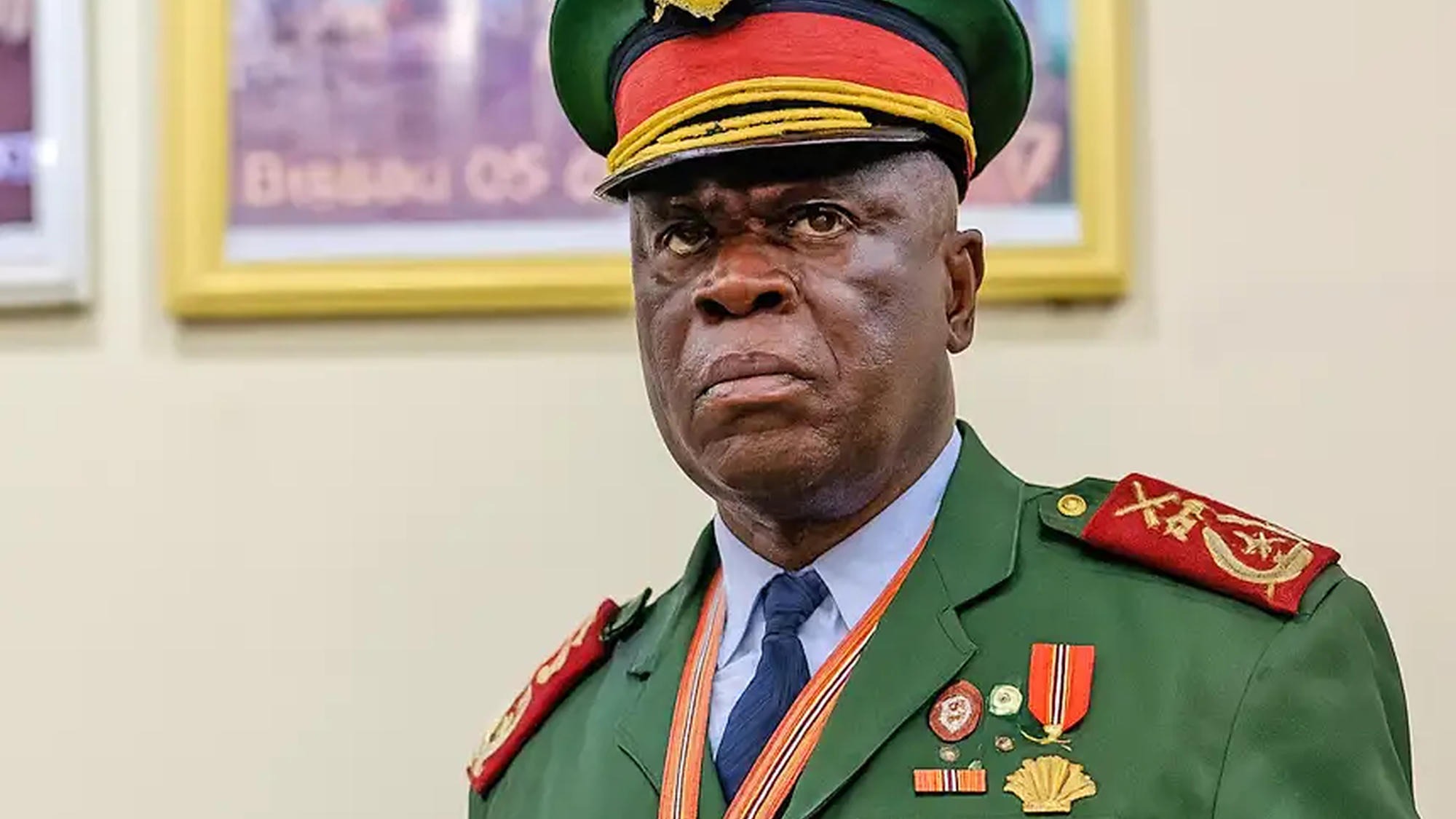
A pledge under pressure after the military takeover
The central commitment made by Guinea-Bissau’s military leadership — handing power back to civilians after seizing control in November 2025 — is now being questioned as the planned 6 December 2026 elections look increasingly uncertain. To grasp what is at stake, it helps to trace the electoral crisis that preceded the coup, the promises made by the transitional authorities, and the skepticism those promises now attract. The fallout is already reshaping public debate, and the road ahead looks anything but straightforward.
How a disputed election opened the door to military rule
The crisis took shape after the November 2025 presidential election. While the national electoral commission was still tallying ballots, both incumbent president Umaro Sissoco Embaló and opposition candidate Fernando Dias da Costa claimed victory. On 25 November, the army stepped in and halted the electoral process. The soldiers said they acted to prevent the country from being destabilized and to foil a plot — accusations that were never independently verified.
The coup upended the vote before final results could be announced. Ballots were subsequently destroyed and opposition figures were jailed, leaving a fundamental question unanswered: who had actually won the election that the military interrupted?
The promised return to civilian rule
The junta framed its intervention as a move to restore stability. It then set up a transition led by General Horta N’Tam and pledged to bring the country back to civilian government through presidential and legislative elections.
In January 2026, the transitional authorities scheduled those elections for 6 December 2026. A presidential decree stated that conditions were in place for a credible vote and specified that the junta leader would not be a candidate. Yet from the moment of that announcement, several obstacles to the process’s credibility were already apparent: opposition figures were imprisoned or in exile, and the revision of the Constitution by the transitional legislative body raised questions about its legality.
A new Constitution that fuels controversy
The transition also launched an overhaul of state institutions. An August 2026 constitutional referendum sought to replace the semi-presidential system with a presidential one, concentrating more power in the presidency. The draft also proposed cutting the number of lawmakers from 102 to 65 and the number of districts from 29 to 12.
The authorities defended these changes as a step toward institutional stability. But the opposition, particularly the PAIGC, denounced a process likely to strengthen the executive and entrench the junta’s grip. Parties and civil society organizations boycotted the referendum. The new Constitution thus crystallized a contradiction: the transition promises elections, but the political rules are being reshaped by institutions established under military rule.
The electoral timetable put to the test
As the vote approaches, whether the elections will actually take place on 6 December appears uncertain. The electoral commission believes the technical conditions will not be met in time, and the prime minister says the parties are not ready to take part in a reliable ballot. A postponement would therefore directly threaten the main deadline meant to justify the length of the transition.
The authorities can point to organizational constraints to explain a delay. But for part of the opposition and for observers, a postponement would also extend military control over the political process. The issue goes beyond the date of the vote: it concerns the ability of parties to compete freely, access to the media, the safety of candidates and voters, and the neutrality of the security forces.
Credibility will be judged by actions
The promise of a return to civilian rule cannot be assessed on an official calendar alone. It will depend on concrete guarantees: allowing the opposition to participate, clarifying the situation of jailed or exiled officials, ensuring freedom of expression, and making sure electoral institutions can operate without military pressure.
A vote held in a climate of fear or exclusion would risk prolonging the crisis rather than resolving it. Conversely, an inclusive process, with rules accepted by the main actors and a timetable that is respected, could open the way out of the transition. In Guinea-Bissau, the question now is whether the pledge made after the coup will become a genuine transfer of power — or remain a commitment with no certain deadline.