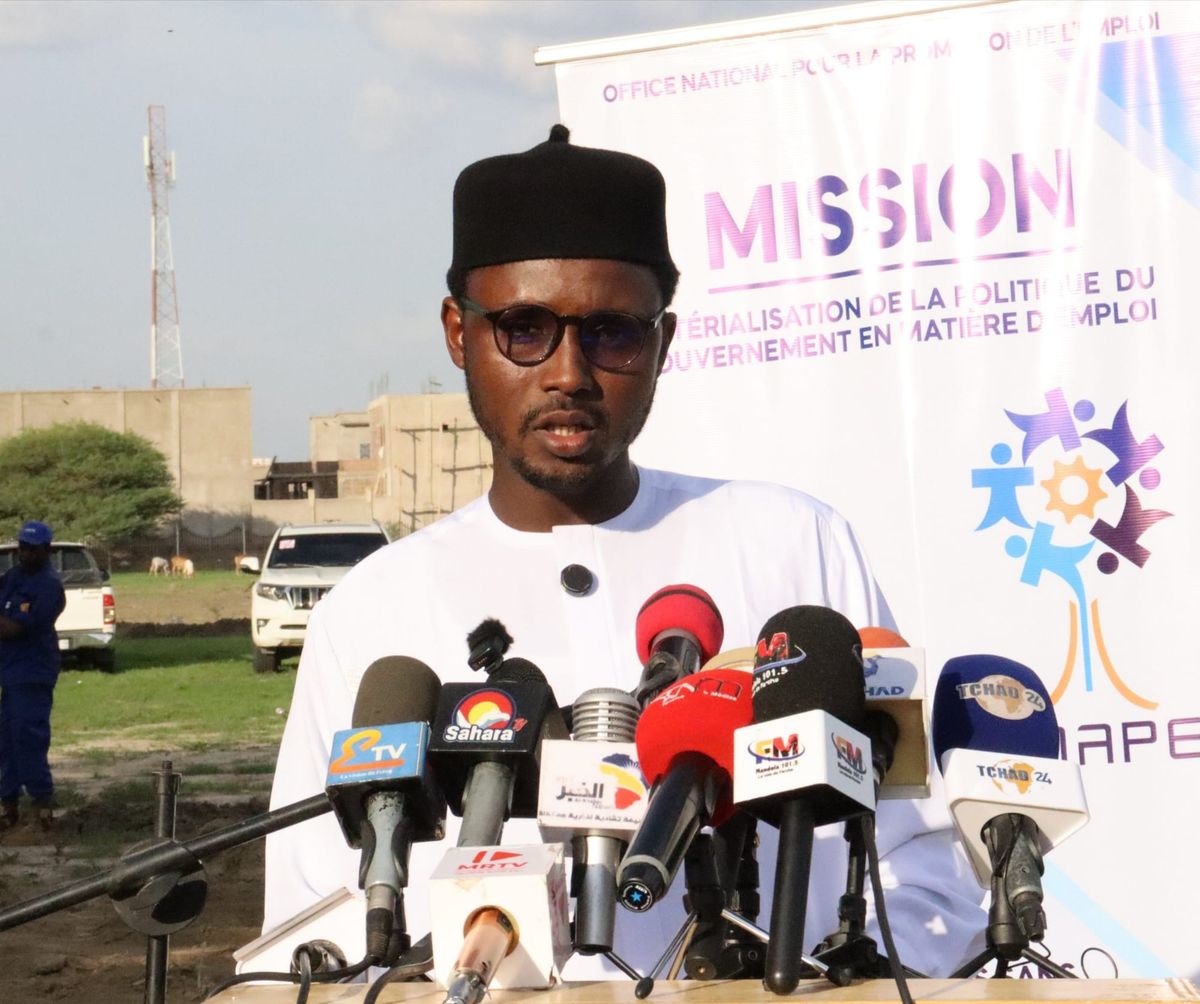
N’Djamena launches green jobs program for 200 young people
The capital city of Chad is taking a bold step toward combating youth unemployment through sustainable employment initiatives. The N’Djamena City Hall and the National Employment Promotion Office (ONAPE) have jointly launched a program to train and integrate 200 young people into green professions, particularly urban agriculture, as part of the Project for Youth Insertion into Green Jobs (PROJEV).
Training the next generation of environmental stewards
During an official ceremony held at the Kuweïte space in Farcha, key figures from local government and ONAPE outlined the vision behind this initiative. Mahamat Alhafiz Idriss, head of ONAPE’s agricultural credit division, emphasized that the project’s core mission is to equip young people with skills that generate sustainable income while promoting environmental responsibility.
Djamal Moussa Yaya, mayor of the first arrondissement of N’Djamena, highlighted the importance of coordinated efforts between institutions to address the pressing issue of youth unemployment in the city.
Bridging unemployment gaps with green solutions
The program comes at a critical time, as Chad grapples with high youth unemployment and underemployment despite its vast agricultural potential. Nassouradine Abakar Kessou, Director General of ONAPE, stressed that green jobs—especially in urban farming—offer a practical pathway to durable employment and economic resilience.
Representing the mayor of N’Djamena, Seid Adji Seid, Deputy Chief of Staff, outlined the city’s MIDI Plan, a five-pillar strategy encompassing civic education, vocational training, entrepreneurial support, urban agriculture, and cultural industries. This plan aligns directly with the aspirations of young people seeking meaningful careers and a better quality of life.
Addressing the trainees, Seid Adji Seid remarked, “Today, you are no longer job seekers waiting for opportunities—you are now the driving force behind N’Djamena’s ecological transition. The green jobs you are entering are not temporary solutions; they represent a balance between economic growth, environmental stewardship, and the well-being of our citizens.”
From training to sustainable livelihoods
Following their technical training, the 200 participants will be allocated a 10-hectare plot where they will cultivate vegetables, putting their skills into practice while contributing to the city’s food security and sustainability goals.