Gabon strengthens its voice in global south diplomacy

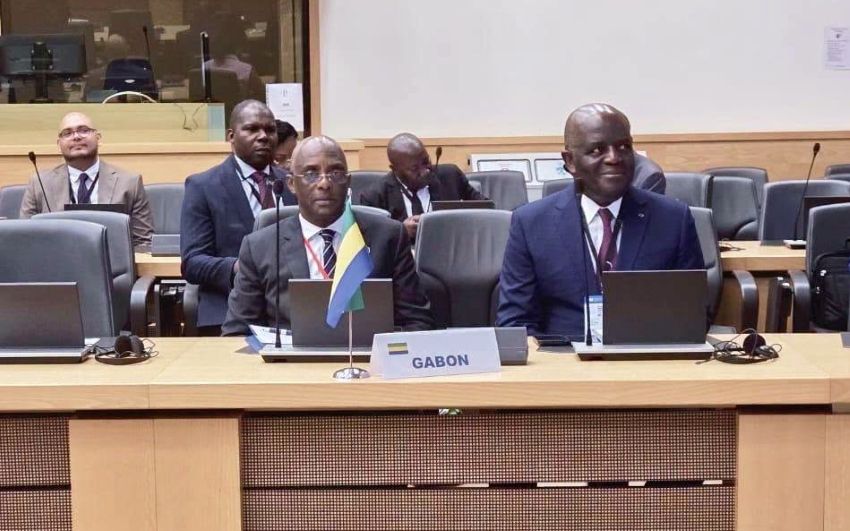
Libreville, July 17, 2026 — Amid shifting global alliances and rising geopolitical tensions, Gabon is positioning itself as a key player in reshaping the priorities of the Global South. The country’s active participation in the African, Caribbean, and Pacific (ACP) States Council of Ministers’ Bureau meeting in Brussels on July 15 underscores this strategic pivot.
Led by the Minister Delegate for the Budget, Marc Abeghe, and Gabon’s Permanent Representative to the ACP, Régis Immongault Tatangani, Libreville did more than attend a preparatory session for the organization’s 121st ministerial meeting. It emerged as a proactive force advocating for reforms that could redefine the ACP’s role as a leading political platform for developing nations.
The ACP’s pivotal transformation
The Organization of African, Caribbean, and Pacific States is undergoing a historic shift. Long seen as a framework primarily focused on ties with the European Union, it now seeks to carve out a distinct political identity and global influence. Discussions in Brussels centered on institutional reforms, implementation of the Samoa Agreement, and strategies to enhance the organization’s visibility and impact in an increasingly fragmented world order.
The Samoa Agreement, which replaces the Cotonou Accord, marks a significant turning point. It aims to restructure political, economic, and trade relations between member states and international partners around pressing issues such as climate change, food security, governance, migration, and energy transitions. For African nations, this new framework offers an opportunity to champion a balanced vision of international relations—one rooted in partnership rather than aid.
Gabon’s leadership in Central Africa
As coordinator of the Central African region and a member of the ACP Council of Ministers’ Bureau, Gabon played a pivotal role in the negotiations. The Gabonese delegation championed inclusive governance within the organization and urged faster implementation of commitments outlined in the Malabo Declaration and the Samoa Agreement. Key topics included financial sustainability, strategic repositioning in the new international order, and strengthening dialogue among member states to better address economic, social, and environmental challenges.
This stance reflects Gabon’s evolving diplomatic approach—balancing regional leadership with a stronger voice in multilateral forums. Libreville is prioritizing issues such as development financing, reform of global governance, and advocating for the interests of Africa’s middle-income economies.
Economic diplomacy drives Gabon’s agenda
Beyond institutional reforms, Gabon used the Brussels meeting to highlight its own strategic priorities. Economic transformation tops the country’s agenda, with a focus on diversifying production, industrialization, upgrading local value chains, and attracting international investment. Environmental preservation and climate resilience are equally critical pillars of Gabon’s diplomatic agenda.
As the world’s top carbon sink per capita and a recognized leader in climate negotiations, Gabon is committed to balancing economic growth with ecosystem protection. This dual focus is matched by a proactive search for strategic partnerships to support the country’s economic and environmental transition.
In a world where global power dynamics are rapidly evolving, multilateralism is becoming as vital a battleground as economic or military influence. Gabon appears to have embraced this reality, positioning itself to build coalitions, defend shared interests, and champion a collective vision for development. As the contours of global power shift, this approach could become a cornerstone of African states’ sovereignty in the decades ahead.