Gabon restructures water and electricity sectors with new public-private models
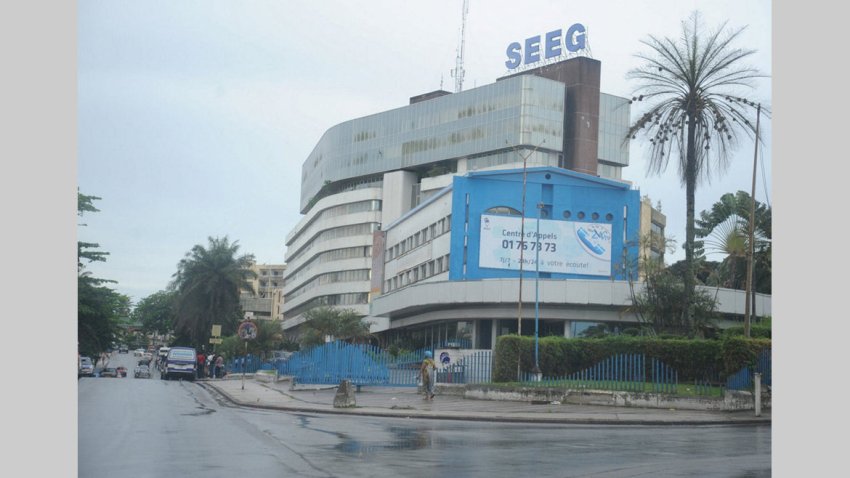
Libreville, June 26, 2026 – For nearly three decades, the Gabonese Water and Energy Company (SEEG) stood as a cornerstone of the country’s essential services sector. That era has now come to an end.
In a decisive move, the Gabonese government finalized the dissolution of SEEG during a cabinet meeting on June 25, 2026. In its place, two specialized mixed-economy companies will take over: La Gabonaise des Eaux for water management and Électricité du Gabon for electricity. This restructuring goes far beyond a simple name change—it signals a fundamental transformation in how the nation delivers its most critical public services.
The decision follows President Brice Clotaire Oligui Nguema’s State of the Nation address, where he underscored the urgency of addressing persistent electricity outages and water supply challenges. These issues have long topped the list of public grievances, making this reform one of the most pressing priorities of the current administration.
Breaking free from a failing centralized model
Established in 1997 under a concession agreement with the French multinational Veolia, SEEG operated as a single operator responsible for both water and electricity. While this model once appeared effective, structural flaws gradually emerged over time.
Even after the company reverted to public control in 2018, systemic issues persisted. Aging infrastructure, underinvestment, frequent service disruptions, financial constraints, and rapid urban expansion exposed the shortcomings of a centralized management approach. The government’s decision to dismantle this outdated framework reflects a clear commitment to change.
Under the new structure, La Gabonaise des Eaux will exclusively handle the production, transmission, distribution, and commercialization of potable water. Meanwhile, Électricité du Gabon will focus solely on electricity generation, transmission, distribution, and sales. This separation aligns with global best practices, recognizing that water and energy management require distinct operational strategies.
A strategic shift toward public-private collaboration
The new entities will adopt a mixed-economy model, blending public oversight with private sector efficiency. This approach has proven successful in other African nations, offering a balance between public interest and commercial viability. However, its success hinges on several critical factors.
Key considerations include the capital structure of the new companies, the identity of strategic partners, governance frameworks, debt resolution from SEEG’s legacy, and asset transfers. International financial institutions, including the African Development Bank and French Development Agency, are closely monitoring progress, as this reform could unlock future infrastructure investments across Gabon.
For industries such as mining, timber, and oil, reliable energy access is a non-negotiable competitive advantage. A stable electricity supply could significantly enhance Gabon’s economic resilience and attractiveness to investors.
The test of real-world impact
Beyond administrative changes, this reform carries a profound social promise: universal access to clean water and electricity for all Gabonese citizens. The government envisions tangible improvements in urban neighborhoods and remote communities alike, positioning this restructuring as a catalyst for national solidarity, economic modernization, and territorial equity.
Ambitious targets have been set—ensuring uninterrupted service, enhancing distribution quality, expanding network coverage, accelerating energy transition, and securing supply chains. Yet history shows that structural reforms alone cannot guarantee success. The true measure of progress will lie in the daily lives of citizens: fewer power cuts, fewer water shortages, and a noticeable improvement in living standards.
The dissolution of SEEG marks one of Gabon’s most significant public service reforms in decades. It presents a historic opportunity to rebuild these vital sectors. The challenge now is to translate policy into tangible results. That is where the success of La Gabonaise des Eaux and Électricité du Gabon will ultimately be judged.