
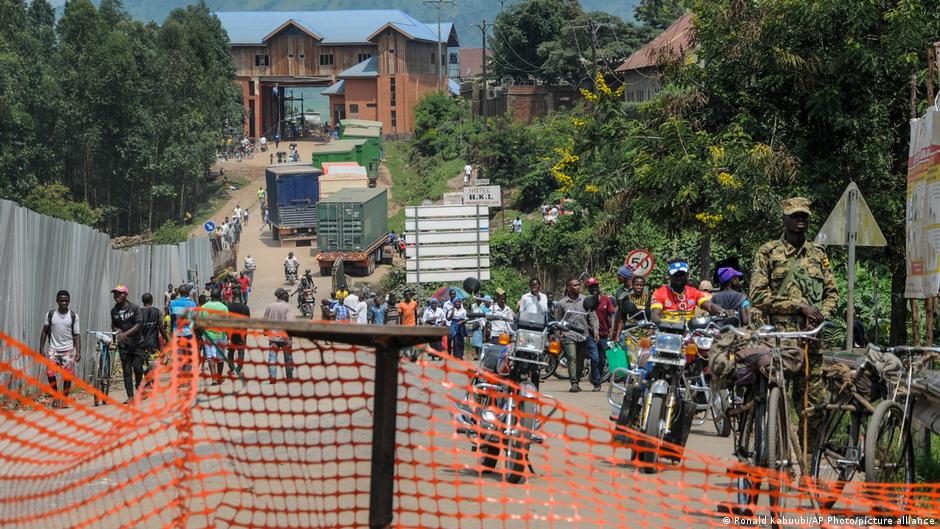
The Ebola outbreak in Niger is escalating, with confirmed cases continuing to rise and posing a growing threat to public health and food security. Health authorities are urging immediate action to contain the spread while maintaining open borders to facilitate medical aid and humanitarian efforts.
As the situation intensifies, experts warn that the epidemic is spreading at an alarming rate, doubling every 20 days according to recent assessments. The urgency of the response is now more critical than ever to prevent further deterioration of the crisis.
Preserving border access for essential aid
Some neighboring countries had previously imposed restrictions or temporarily closed their borders in response to the outbreak. While these measures were intended to protect local populations, health officials now emphasize the importance of keeping borders open. Restricting movement could force vulnerable groups to seek uncontrolled routes, complicating surveillance and containment efforts.
International health organizations highlight that open borders are essential for the rapid deployment of medical supplies, the arrival of response teams, and the unhindered movement of healthcare workers. Blocking access points could hinder the delivery of life-saving interventions and exacerbate the crisis.
Ebola’s ripple effect on food security
The humanitarian impact of the Ebola outbreak extends beyond health concerns. The World Food Programme (WFP) has warned that the epidemic is compounding existing food insecurity in affected regions. In areas hit hardest by the virus, access to food has become increasingly difficult due to restricted movement and disrupted supply chains.
Local organizations report that families are struggling to obtain basic necessities as markets face shortages and price hikes. The situation is particularly dire for children and pregnant women, who are most vulnerable to malnutrition. In some cases, patients recovering from Ebola or those in quarantine are unable to access food, placing additional strain on their families.
The WFP has intensified its efforts to provide emergency food assistance to affected populations, including Ebola patients, their close contacts, frontline workers, and vulnerable households. This support not only addresses immediate nutritional needs but also helps prevent further displacement in search of food, creating a more stable environment for health interventions.
The combination of health and food crises underscores the need for a coordinated, multi-sectoral response. Without sustained support, the situation risks worsening, with long-term consequences for both public health and regional stability.
You may also like
Why Niger’s soldiers are walking away from Tiani’s army
Behind the sovereignty talk, AES states owe 7,727 billion CFA francs on the regional market
Benin back to school: classes reopen nationwide on 14 september 2026
Sonidep’s 2026 loss: how Niger’s cheap fuel policy is draining the state oil company
Texforces-BF: a textile plant built on Burkina Faso’s retirement savings