
Côte d’Ivoire reaffirms its support for Morocco’s autonomy proposal in Western Sahara
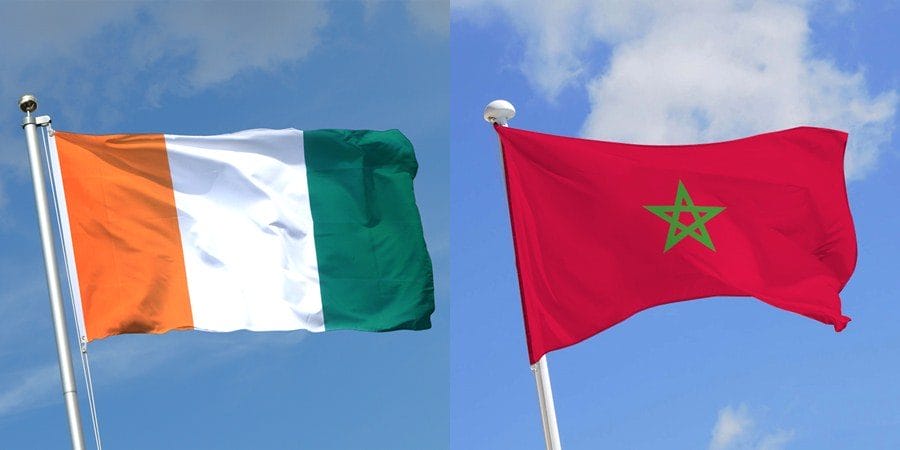
 Flags of Côte d’Ivoire and Morocco © DR
The delegation from Côte d’Ivoire has publicly endorsed Morocco’s autonomy initiative as a viable solution to the Western Sahara dispute during a regional United Nations seminar held in Managua. This stance underscores the country’s commitment to international law and UN resolutions, particularly Resolution 2797 adopted by the Security Council in 2025.
Why Côte d’Ivoire backs the Moroccan autonomy plan
The Ivorian representatives highlighted several key aspects that strengthen the credibility of this proposal:
- A framework for local governance: The plan empowers southern provinces to manage their own affairs through democratic elections and active involvement of local officials in international forums.
- Human rights progress: The initiative strengthens regional commissions and reinforces cooperation with UN human rights mechanisms.
- International recognition: Supported by nearly 130 countries, the proposal aligns with international law and UN resolutions.
Addressing regional concerns
During the seminar, Côte d’Ivoire also raised pressing regional issues:
- Humanitarian situation: The country expressed concerns about conditions in the Tindouf camps, calling for an urgent population census to ensure accurate aid distribution.
- Diplomatic solution: Abidjan emphasized its firm belief in a political resolution under exclusive UN supervision, urging all parties to pursue realistic compromises.
The Ivorian position reflects growing regional support for Morocco’s autonomy initiative as a constructive path forward in the Western Sahara conflict.
You may also like
Mamadi Doumbouya de retour à Conakry après une visite d’État en Côte d’Ivoire
Elversberg vs Bayern Munich: kick-off time, tv channel and team news
Gabon : l’association Force ouvre un espace de propositions pour la rentrée
Dakar 2026 : Diomaye Faye confie la flamme olympique à la jeunesse sénégalaise
Mali: at least 80 soldiers killed in deadly assault on Dioura camp