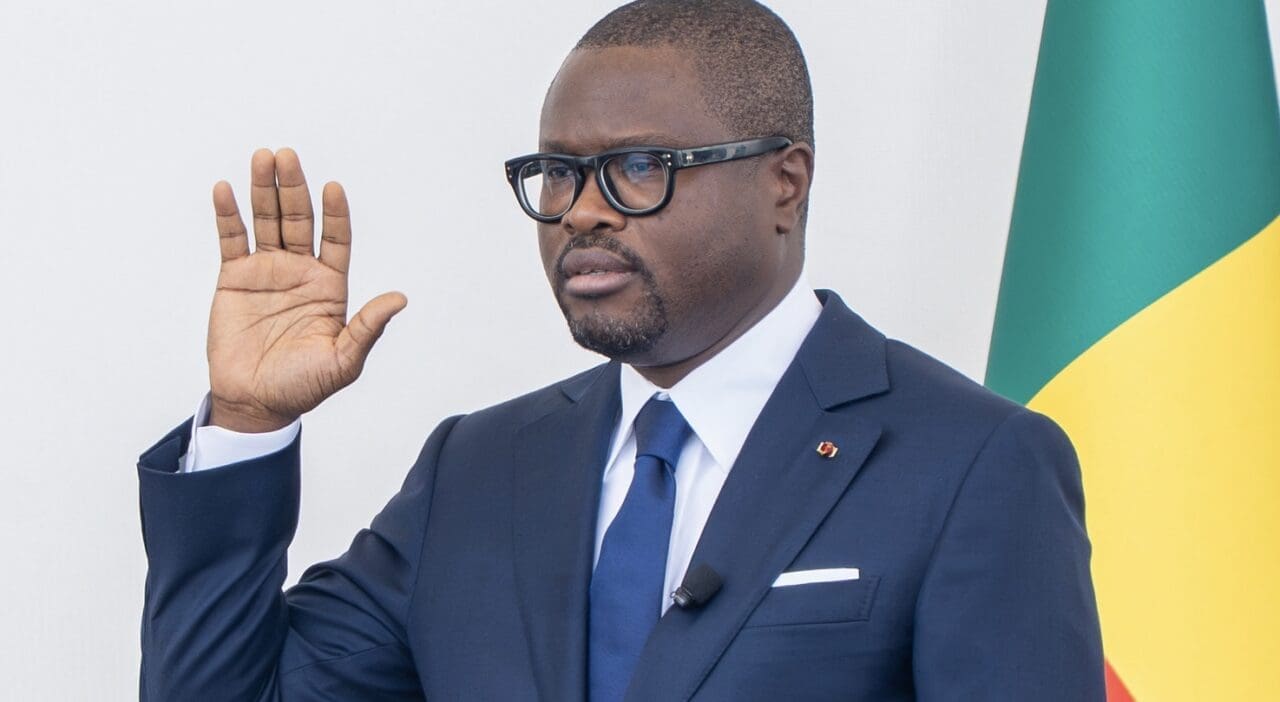
Cotonou’s Palais des Congrès esplanade became the epicenter of West African diplomacy on May 24, as dignitaries from across the continent gathered for the investiture of Romuald Wadagni. Among the prominent figures present were Nigerian Vice-President Kashim Shettima and Nigerien Prime Minister Ali Mahamane Lamine Zeine, alongside business tycoons like Aliko Dangote and Hassanein Hiridjee. The turnout underscored the new president’s stature, built over years as Benin’s Finance Minister.
A new chapter in regional unity
The ceremony highlighted a deliberate shift toward stronger regional collaboration. While traditional protocol excludes sitting heads of state from oath-taking events, the presence of 16 foreign delegations—including high-ranking officials from Nigeria, Côte d’Ivoire, Burkina Faso, and Mali—sent a clear message. The announcement of Niger’s Prime Minister and foreign ministers from Burkina Faso and Mali drew thunderous applause, reflecting public enthusiasm for this diplomatic thaw.
Wadagni’s pre-investiture gestures of goodwill paved the way for this rapprochement. As one Nigerien envoy noted, ‘This marks the beginning of a new path.’ The president’s campaign had repeatedly emphasized the need for collective action against terrorism, stressing that cooperation was the only path to stability. In his address, he framed regional interdependence as non-negotiable: ‘We are condemned to work together.’
Economic confidence and bold partnerships
The event doubled as a high-profile economic summit, reflecting Wadagni’s decade-long stewardship of Benin’s finances. African industrialists and investors filled the venue, including Nigerian billionaire Aliko Dangote, Franco-Malagasy entrepreneur Hassanein Hiridjee, and Ivorian business leader Adama Bictogo. The attendance of Makhtar Diop, CEO of the International Finance Corporation (IFC), underscored the confidence in Benin’s economic trajectory.
Under Wadagni’s leadership, Benin has emerged as one of Africa’s fastest-growing economies, with a projected 6.5% growth in 2026. His reforms boosted domestic revenue past 1 trillion FCFA while keeping public debt below 55% of GDP. These achievements unlocked significant foreign investment, most notably in the Glo-Djigbé Industrial Zone (GDIZ). Developed with Arise IIP, the GDIZ has already created over 25,000 jobs and begun exporting textiles to Europe and the U.S., setting the stage for broader industrial transformation across Benin.
As dignitaries departed Cotonou that day, one thing was clear: Romuald Wadagni’s investiture was more than a ceremony—it was a declaration of intent for a Benin poised to lead through unity and economic ambition.